
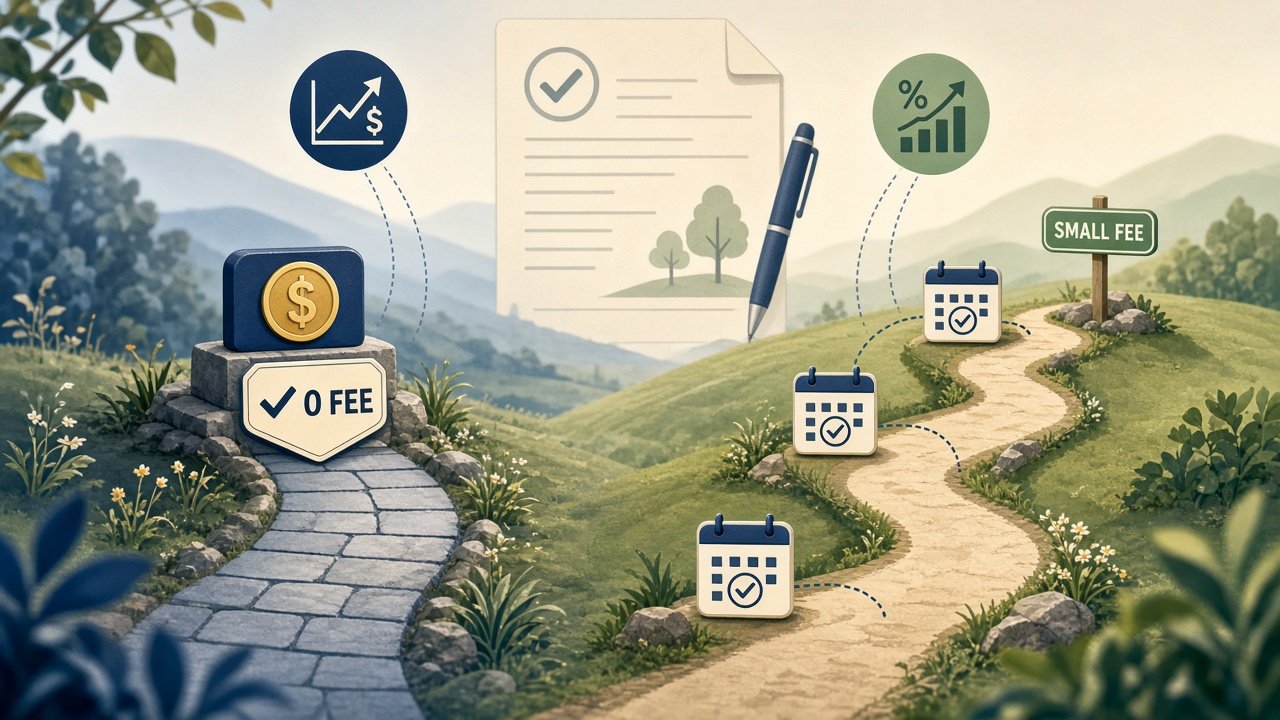
- Short-term plans have no setup fee and are designed for full payment within 180 days or less.
- Monthly installment agreements involve a user fee and allow extended repayment over many months or years.
- Both options stop most IRS collection actions while active, but interest and penalties continue to accrue until the full balance is paid.
For background on this issue, read our IRS payment plans guide.
Understanding IRS Payment Options
When you owe taxes and cannot pay the full amount by the due date, the IRS offers structured ways to pay over time. These are called payment plans. The two main types are short-term payment plans and long-term payment plans, also known as installment agreements.
A short-term payment plan gives you up to 180 days to pay your balance in full. It is meant for situations where you can clear the debt relatively quickly. In contrast, a monthly installment agreement lets you make regular payments over a longer period, often many months or years, until the debt is satisfied.
Both options can help avoid immediate enforcement actions like levies, but they come with different costs and timelines. The IRS applies interest and certain penalties to any unpaid balance until it reaches zero.
Key Differences in Purpose and Timeline
The main purpose of a short-term plan is to provide a brief extension for taxpayers who expect to pay everything owed within six months. Individuals can often apply for these online if they owe less than $100,000 in combined tax, penalties, and interest. Businesses generally need to call the IRS.
Monthly installment agreements serve taxpayers who need more time. These are suited for balances that cannot be paid within 180 days. For most individuals, eligibility often begins with combined balances of $50,000 or less, though other options exist for larger amounts.
According to the IRS, requesting either type of agreement generally pauses levies and affects the collection period while the request is pending or active. However, the collection statute can be extended during an installment agreement.
Costs and Setup Fees
Short-term payment plans have no user fee or setup fee, whether you apply online, by phone, or by mail. This makes them a lower-cost option for those who can pay quickly.
Long-term monthly installment agreements do carry a setup fee that varies by application method and payment type. For example, applying online with automatic direct debit payments from your checking account has a $29 fee for most people. Other methods or non-automated payments can cost more. Low-income individuals may qualify for reduced, waived, or reimbursed fees under IRS rules.
Republic Tax Relief provides private tax-resolution services for people and businesses facing IRS or state tax debt. If you have questions about your specific tax debt situation or whether a payment plan fits your needs, the firm offers a free, no-obligation initial consultation where you can ask about the suitability, scope, fees, and availability of their help in communicating with the IRS.
Interest, Penalties, and Ongoing Charges
One important similarity is that both short-term plans and monthly installment agreements require you to pay accrued interest and penalties until the balance is paid in full. These charges continue to add up each month, so paying sooner reduces the total cost.
The IRS explains that failing to pay on time leads to these extra charges by law. A short-term plan may result in less overall interest and penalties simply because the repayment window is shorter. Monthly plans, while spreading out payments, can lead to higher total charges over time if the balance remains outstanding longer.
The IRS recommends paying as much as you can as soon as possible with either option to limit these additional amounts.
What to Consider Before Choosing
Think about how quickly you can realistically pay and how the continuing interest and penalties will affect the final amount. Short-term plans are simpler and fee-free but demand full payment soon. Monthly installment agreements offer flexibility at the price of a setup fee and potentially more accrued charges.
You can view your balance, payment history, and current plan details through your secure IRS online account. Always file your tax returns on time even if you cannot pay in full.
IRS guidance checked .
General information only, not individual tax, legal, or financial advice. Rules, deadlines, and eligibility depend on your circumstances. Check current official guidance or consult a qualified professional.
Request a correction →