- IRS impersonators often use threats of arrest or demands for immediate payment that the real IRS never does.
- Avoid clicking unusual links or sharing personal information; always verify by contacting the IRS directly at 800-829-1040.
- Genuine IRS notices have specific CP or LTR numbers and arrive by mail, not through unsolicited texts, emails, or social media pressure.
Common Warning Signs of IRS Impersonation Scams
Scammers pretending to be from the IRS often create a sense of urgency to trick people. According to the IRS, impersonators frequently demand that you pay "now or else" and threaten arrest, deportation, or other serious consequences if you do not comply immediately.
They may also promise a large unexpected refund or credit that sounds too good to be true. The IRS explains that legitimate communications never pressure you for immediate personal, financial, or employment information, nor do they refuse to let you question or appeal a tax amount.
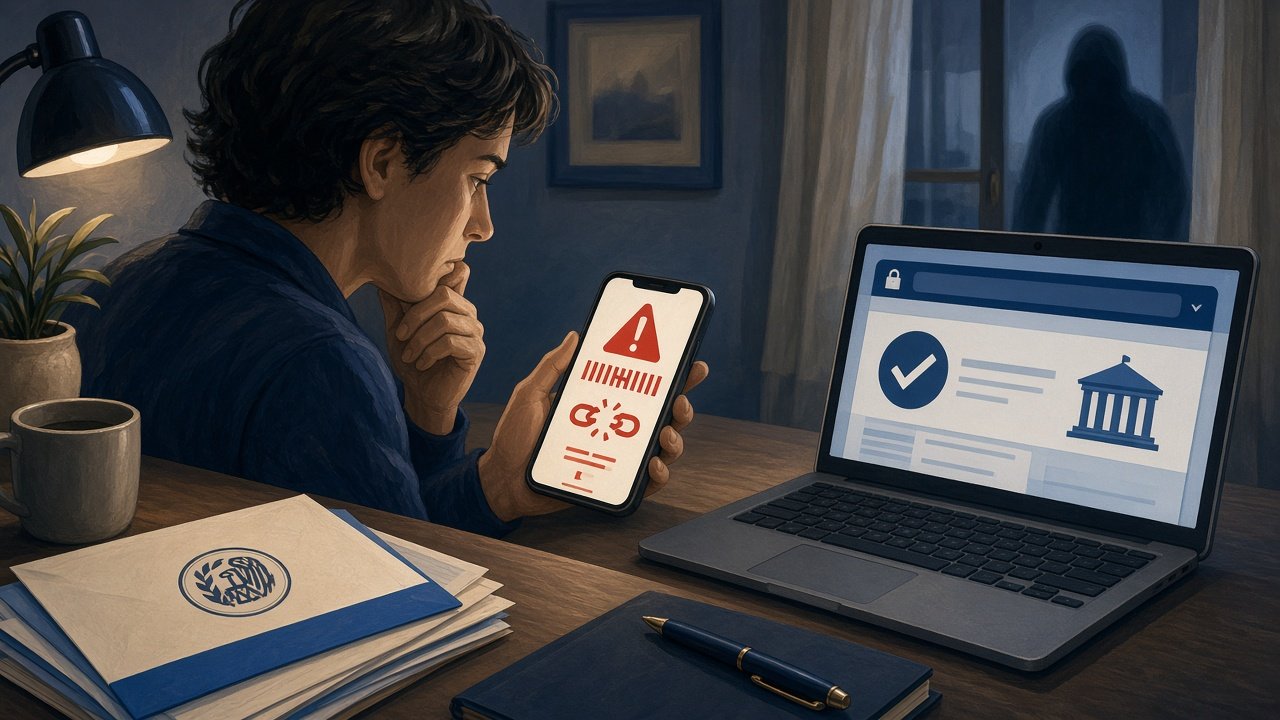
Watch for odd or misspelled website links that claim to lead to the IRS but actually direct you to harmful sites. These messages often arrive via email, text, or social media and may ask you to click attachments or links that could harm your computer.
How the Real IRS Contacts You
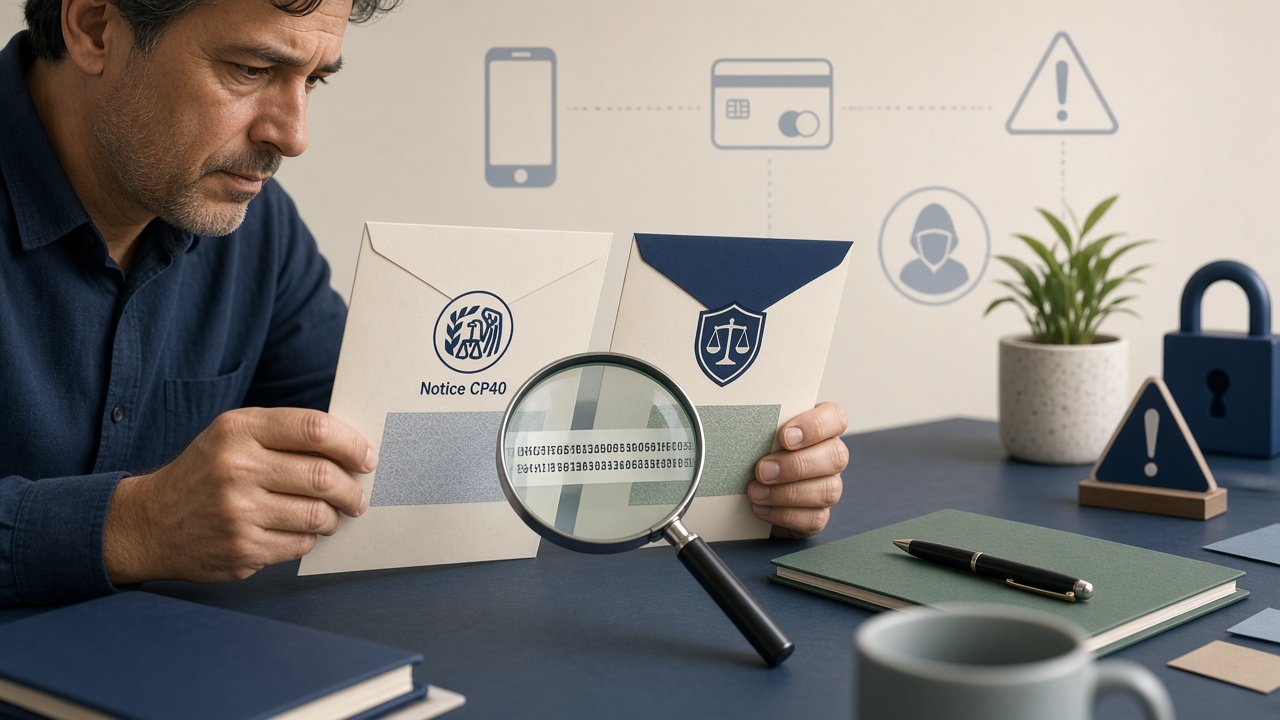
The IRS typically contacts taxpayers first by mail, not by phone, email, text, or social media. Notices and letters from the IRS include a specific CP or LTR number in the top right corner, which you can look up on IRS.gov to understand the purpose.
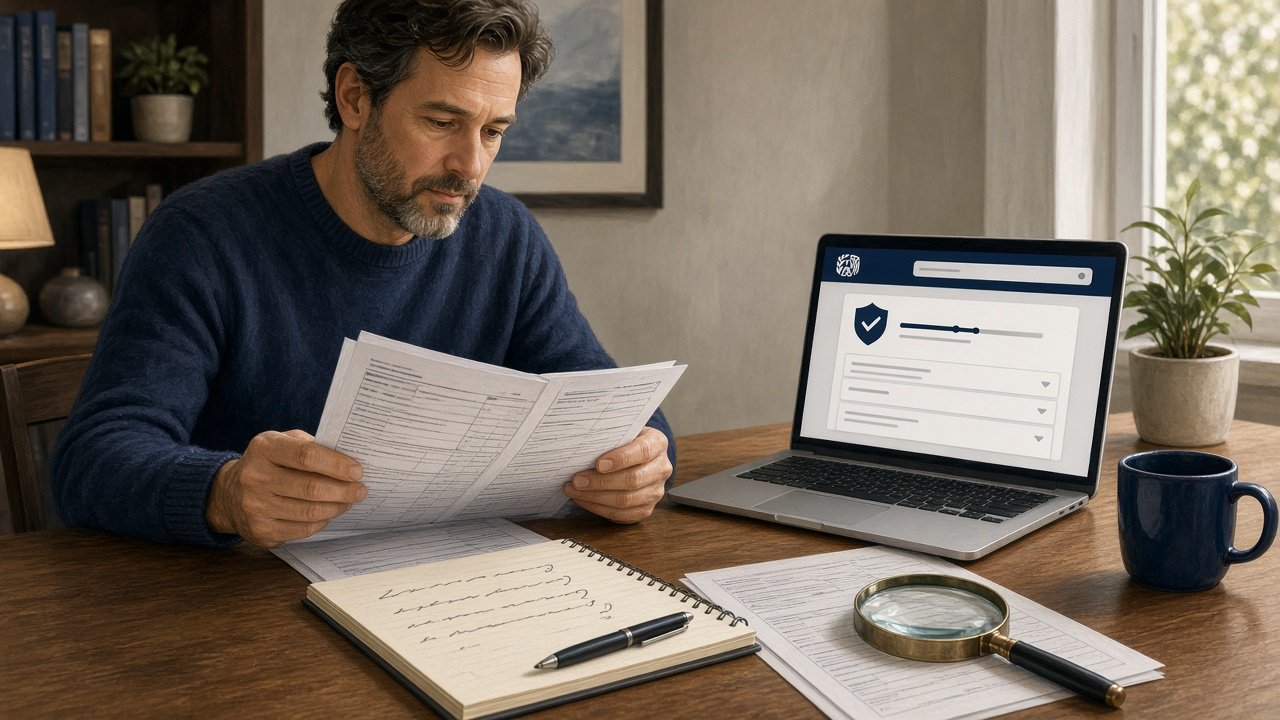
If the IRS needs to reach you about a balance due, a changed refund, identity verification, or questions about your return, they will send an official notice. You should review it carefully, keep it for records, and respond by the due date if required.
The IRS does not demand instant payment through gift cards, wire transfers, or cryptocurrency, nor do they threaten you with immediate legal action without giving you a chance to appeal.
Steps to Verify a Suspicious Message
If you receive a message that seems suspicious, do not click any links or provide information. Instead, search for the notice number on IRS.gov or call the IRS directly at 800-829-1040 to check if it is legitimate. The IRS advises that if a letter does not appear in their official search or looks odd, this phone call is the safest way to confirm.
For any tax-related question, use only the official IRS website at IRS.gov. Avoid following instructions from unsolicited messages, as they may be designed to steal your data.
Republic Tax Relief provides private tax-resolution services for individuals and businesses facing IRS or state tax issues. If you have an existing tax debt concern separate from these scams, the firm offers a free, no-obligation initial consultation where you can ask about suitability, scope, fees, and options for communicating with the IRS.
What to Do If You Suspect a Scam
Report suspected tax scams to the IRS through their official channels. If you have already shared information, the IRS recommends taking steps to protect yourself from identity theft, such as monitoring your accounts and filing a report.
Remember that the IRS will always give you time to respond and appeal any notice. Pressure tactics and threats are clear red flags that the contact is not from the government.
IRS guidance checked .
General information only, not individual tax, legal, or financial advice. Rules, deadlines, and eligibility depend on your circumstances. Check current official guidance or consult a qualified professional.
Request a correction →