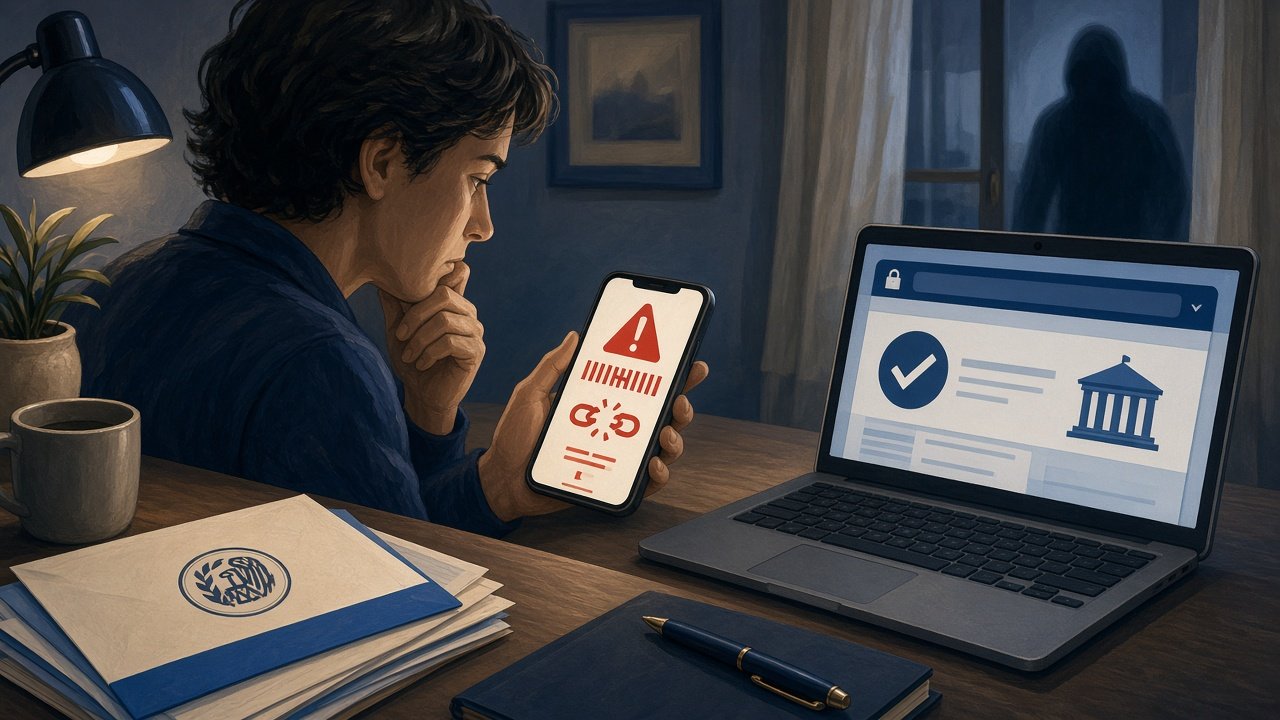

- The IRS always sends Notice CP40 before any private collection agency contacts you; this letter is your primary verification.
- Both the IRS notice and the agency's letter include a Taxpayer Authentication Number that confirms legitimacy before any phone call.
- Payments must always be made directly to the IRS; agencies cannot request direct payment or use of gift cards or prepaid debit cards.
Why the IRS Uses Private Collection Agencies
Congress requires the IRS to assign certain overdue tax accounts to private collection agencies when the agency lacks resources to pursue them or when taxpayers have not responded for extended periods. This program targets accounts that have gone unaddressed for a year or more after assessment.
However, the IRS will not assign accounts in many protected situations. These include cases involving deceased taxpayers, those under 18, individuals in combat zones, identity theft victims, SSI or SSDI recipients, those with income at or below 200 percent of the poverty level, and anyone involved in examinations, litigation, installment agreements, offers in compromise, innocent spouse claims, or disaster relief.
Understanding these exclusions helps address the common misunderstanding that all overdue accounts automatically go to private collectors.
The Official IRS Notification Process
According to IRS guidance, you will receive a specific letter called Notice CP40 before any private collection agency contacts you. This notice verifies that your account has been transferred to a private debt collection agency.
You can also confirm the assignment yourself by requesting an account transcript using the IRS Get Transcript tool. The transcript will show specific transaction codes indicating the referral to a private collection agency and the issuance of the CP40 notice, including the date.
This upfront written notification is a key consumer protection designed to prevent surprise contacts and reduce scam risks.
Verifying the Agency Is Legitimate and Not a Scammer
Both the IRS Notice CP40 and the private collection agency's initial letter will contain a Taxpayer Authentication Number. The agency uses this number to verify your identity during contact, and you can use it to confirm the caller's legitimacy.
The IRS states that the private collection agency will not call you before sending its confirmation letter. This sequence—IRS letter first, then agency letter, then phone contact—helps protect against fraudulent calls claiming to represent the IRS.
Keep both letters in a safe place. If you receive a call without prior written notice or without the proper authentication number, it is likely a scam. The IRS advises checking its resources on identifying legitimate private collection agency calls.
Approved Payment Options and Common Pitfalls
Private collection agencies can set up and monitor payment arrangements that allow you to pay in full within seven years or by the collection statute expiration date. However, all payments must be made directly to the IRS, never to the agency itself.
Approved methods include IRS Direct Pay from a checking or savings account at no cost, the Electronic Federal Tax Payment System, debit or credit cards through approved providers (which may charge a fee), checks or money orders payable to the United States Treasury, and preauthorized direct debit with your written permission. The agency can provide details on these options.
Agencies will never request payment via prepaid debit cards, iTunes cards, gift cards, or direct payment to themselves. This is a critical protection against common tax scams that cost consumers thousands every year.
Republic Tax Relief notes that many taxpayers facing IRS debt have additional unresolved questions beyond private collection programs. The firm offers a free, no-obligation initial consultation to evaluate your specific tax situation and discuss available private tax-resolution services for IRS or state tax issues.
What Private Collection Agencies Can and Cannot Do
These agencies identify themselves as IRS contractors, send initial letters, and help arrange payments. They cannot take enforcement actions such as levies or liens, accept offers in compromise, determine currently not collectible status, or charge fees for setting up payment plans.
If you prefer not to work with the assigned agency, you must submit a written request to the agency. The IRS also lists independent resources for free or low-cost tax assistance, including Low Income Taxpayer Clinics detailed in Publication 4134.
Recognizing these documented limits helps consumers avoid misunderstandings about the power these agencies actually hold.
IRS guidance checked .
General information only, not individual tax, legal, or financial advice. Rules, deadlines, and eligibility depend on your circumstances. Check current official guidance or consult a qualified professional.
Request a correction →