
- Key documents like tax returns, insurance policies, and property records should be stored in waterproof and fireproof containers or saved electronically.
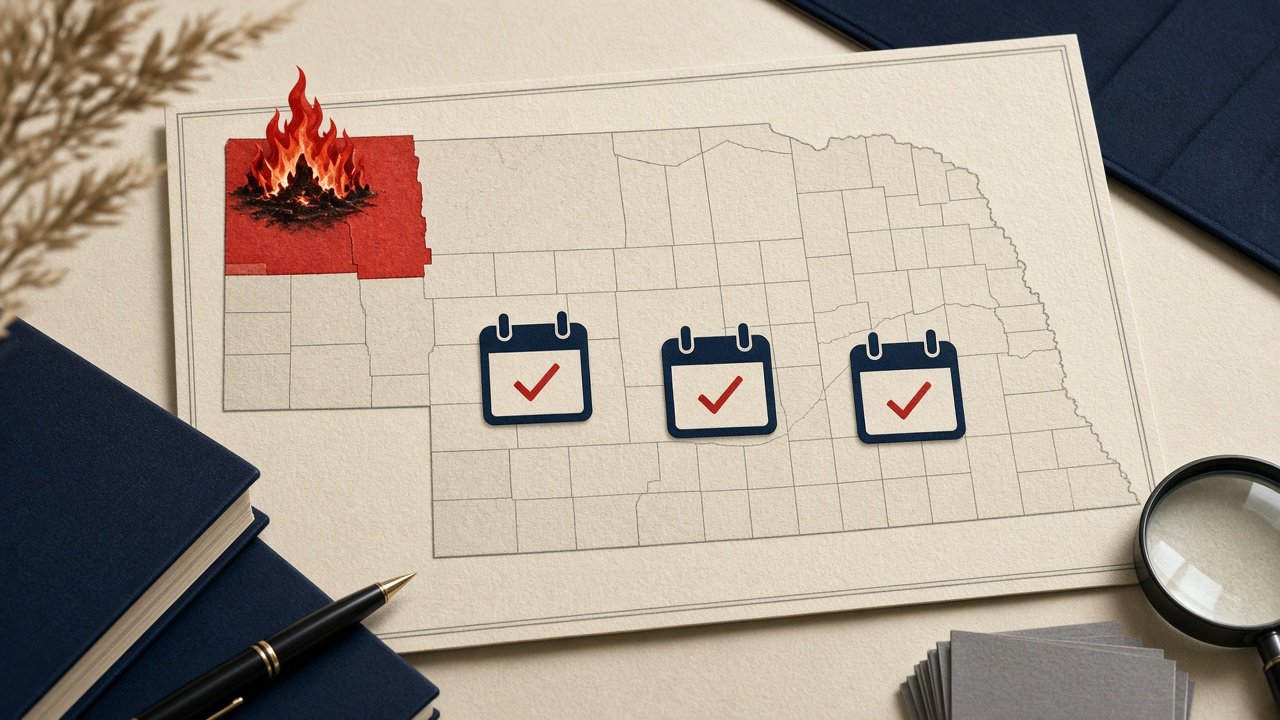
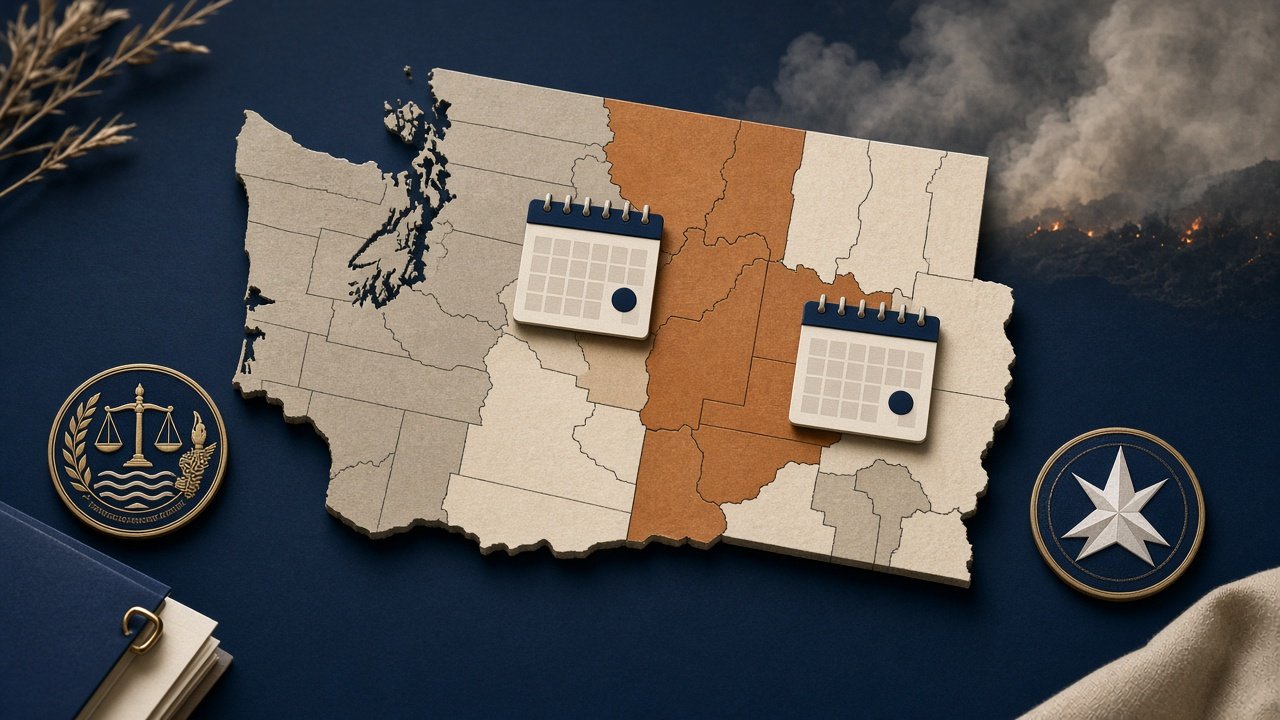
- Disaster tax relief often applies automatically to those with an IRS address in a covered area, postponing certain deadlines without needing to contact the IRS.
- Uninsured disaster losses may be claimed on federal tax returns; review IRS Publication 547 for details and consult official sources for current announcements.
For background on this issue, read our Disaster tax deadlines guide and check the disaster deadline tracker.
Who Should Prepare and Why
The IRS announcement dated September 3, 2026, encourages all taxpayers, including those not in high-risk areas, to take precautionary steps before disasters strike. This includes individuals, businesses, and tax professionals who could face sudden loss of records due to floods, wildfires, hurricanes, tornadoes, or severe storms.
Disasters can damage homes, businesses, and essential documents needed for taxes, insurance claims, or federal assistance. Early preparation helps streamline recovery, filing claims, and claiming any available tax benefits. The practical overview centers on protecting records now to avoid complications later.
Republic Tax Relief notes that readers with existing separate tax-debt questions unrelated to disaster losses may wish to contact the firm for a free, no-obligation initial consultation about private tax-resolution services for IRS or state issues, including suitability, scope, fees, and availability of help communicating with the IRS.
Practical Steps to Protect Records
Taxpayers should store important documents such as tax returns, birth certificates, Social Security cards, insurance policies, and property titles in waterproof and fireproof containers. Creating electronic copies by scanning paper records and saving them securely on a device or in the cloud is also recommended.
Financial institutions often provide electronic statements, which can serve as backups. Documenting valuable property with photos or videos of homes, businesses, vehicles, and belongings supports both insurance and tax-loss claims. IRS disaster loss workbooks assist in creating room-by-room inventories of personal and business items.
Reviewing and updating emergency plans annually using resources from Ready.gov is advised. Knowing how to access tax records online through the IRS Individual Online Account or the Get Your Tax Records and Transcripts tool on IRS.gov can be critical after a disaster.
Business-Specific Considerations
Employers using payroll service providers should confirm whether the provider maintains a fiduciary bond. Business taxpayers can utilize the Business Tax Account to monitor balances, payments, and history, while registered EFTPS users can continue making federal tax payments through that system.
Understanding Disaster Tax Relief
When the IRS grants disaster tax relief, certain filing and payment deadlines falling within the postponement period are extended to a later relief deadline. Relief details vary by event, so taxpayers should check the specific IRS disaster announcement.
For those with an IRS address of record in a covered disaster area, relief is generally automatic. Individuals or businesses outside the area but with records affected may need to call the IRS Special Services Hotline at 866-562-5227. Tax practitioners can also submit bulk relief requests.
Uninsured or unreimbursed losses may qualify for deduction on federal returns, subject to tax law limits outlined in Publication 547.
Where to Verify Details and Find Resources
Current disaster relief information is available on IRS.gov, including links to Around the Nation, FAQs for disaster victims, Tax Resources for Disaster Victims, Publication 547, Publication 584, Publication 584-B, and Publication 3067. Additional preparedness guidance can be found at DisasterAssistance.gov, Ready.gov, and FEMA.gov.
Readers should verify all specifics, deadlines, and eligibility directly with the IRS or the listed official sources, as relief parameters depend on the individual disaster declaration.
Announcement covered: Sep 3, 2026.
General information only, not individual tax, legal, or financial advice. Rules, deadlines, and eligibility depend on your circumstances. Check current official guidance or consult a qualified professional.
Request a correction →