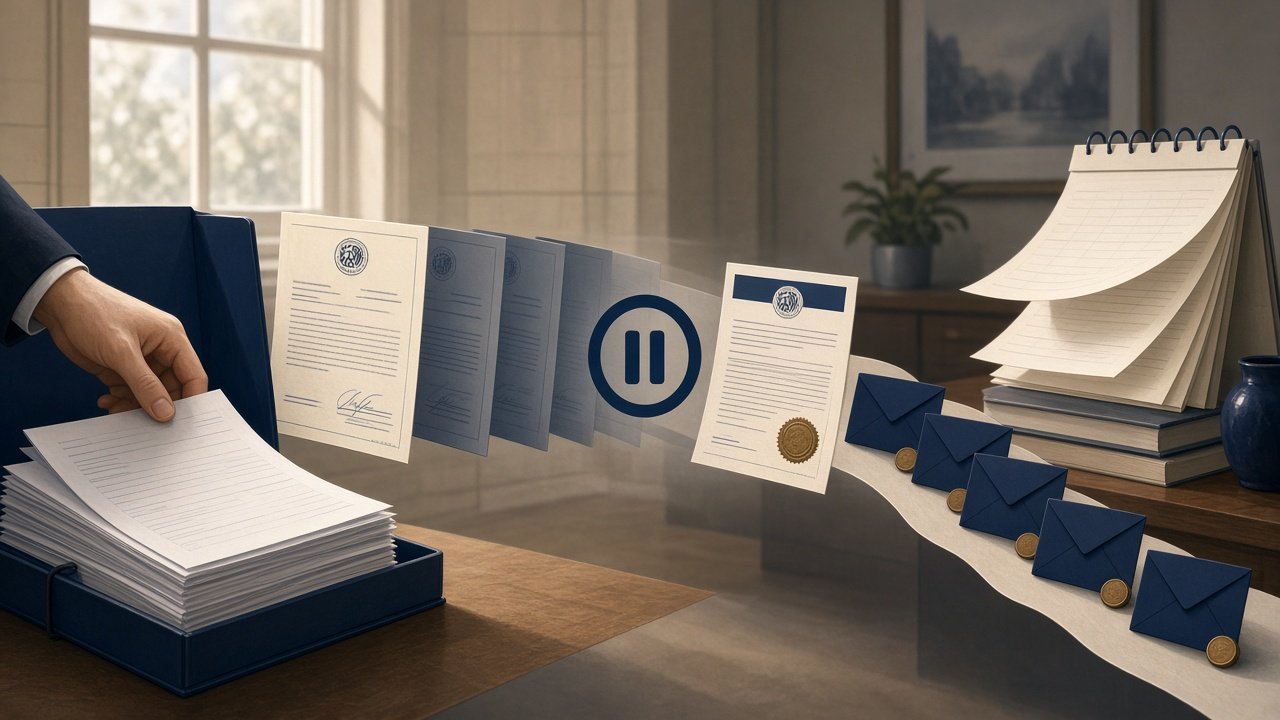

- Taxpayers must comply with every term listed in Section 7 of Form 656 to keep the accepted OIC in effect.
- The IRS will not release federal tax liens until the full offer amount is paid.
- Some offer information becomes part of a publicly available inspection file.
For background on this issue, read our Offers in compromise guide.
Offer in Compromise Basics
An offer in compromise allows settlement of a tax debt for less than the full amount owed when full payment would create financial hardship or is otherwise not possible. The IRS reviews income, expenses, and asset equity when considering an offer. It generally does not accept an OIC if the debt can be paid in full through an installment agreement or by using available equity in assets.
Before submitting an application, individuals and businesses should review other payment options. Eligibility requires filing all required tax returns, making estimated tax payments if applicable, not being in an open bankruptcy case, and for employers, making federal tax deposits for the current and previous two quarters.
Responsibilities After Acceptance
Once the IRS accepts an offer in compromise, the taxpayer must meet all offer terms listed in Section 7 of Form 656 to keep the OIC in effect. The IRS will not release any federal tax liens until the full offer amount has been paid.
Some information from the accepted offer becomes part of a public inspection file. Taxpayers should verify their specific obligations directly with the IRS to ensure full compliance after acceptance.
Republic Tax Relief provides private tax-resolution services for individuals and businesses facing IRS or state tax issues. Those with questions about post-acceptance responsibilities or other existing tax debt may contact the firm for a free, no-obligation initial consultation to evaluate suitability, scope, fees and availability of help communicating with the IRS.
During the Application Process
While an OIC application is under review, the IRS suspends most collection activities and may request additional information. Applicants must continue making all required payments under the chosen lump-sum or periodic payment option unless they qualify for the low-income exception.
The collection statute is extended during this period. An application may be automatically accepted if the IRS neither accepts nor rejects it within two years of receipt.
What Happens If an Offer Is Not Accepted
If the IRS rejects an OIC, the application fee is not refunded and any payments made are applied to the tax debt. The taxpayer may appeal the decision to the IRS Independent Office of Appeals.
IRS guidance checked .
General information only, not individual tax, legal, or financial advice. Rules, deadlines, and eligibility depend on your circumstances. Check current official guidance or consult a qualified professional.
Request a correction →